The Art of Noticing — How to See Again
Something happens when life becomes routine. The same street. The same coffee. The same way to work. The same dinner. And in between — the scrolling. Instagram, then back again, then again. Day after day, quietly, without us choosing it. Life slips through the gaps we don't notice are there.
I don't think we mean for it to happen. But routine is comfortable, and comfort makes us stop looking. We stop really seeing the street we walk every morning. We stop noticing the light on the wall, the colour of someone's coat, the shadow a cup casts on a table at 4pm. And slowly, without realising it, we stop being present in our own lives.
„The world doesn’t change. We just stop looking at it.“
Coming back to yourself
The art of noticing is not a photography technique. It's a practice of presence.
It's a way of returning — to the street outside, to the meal in front of you, to the small things that were always there but stopped registering. It's how we slow down without going anywhere, and how we find something new in a place we've seen a thousand times.
Three books changed how I see: The Art of Noticing by Rob Walker, On Looking by Alexandra Horowitz, and The Creative Act by Rick Rubin. Each one, in a different way, asks the same question: what are you missing right now, simply because you're not paying attention?
The answer, every time, is: more than you think.
„Attention is a choice. Most of us just forget we’re making it.“
Four ways to start seeing again
1. Follow the light and shadow
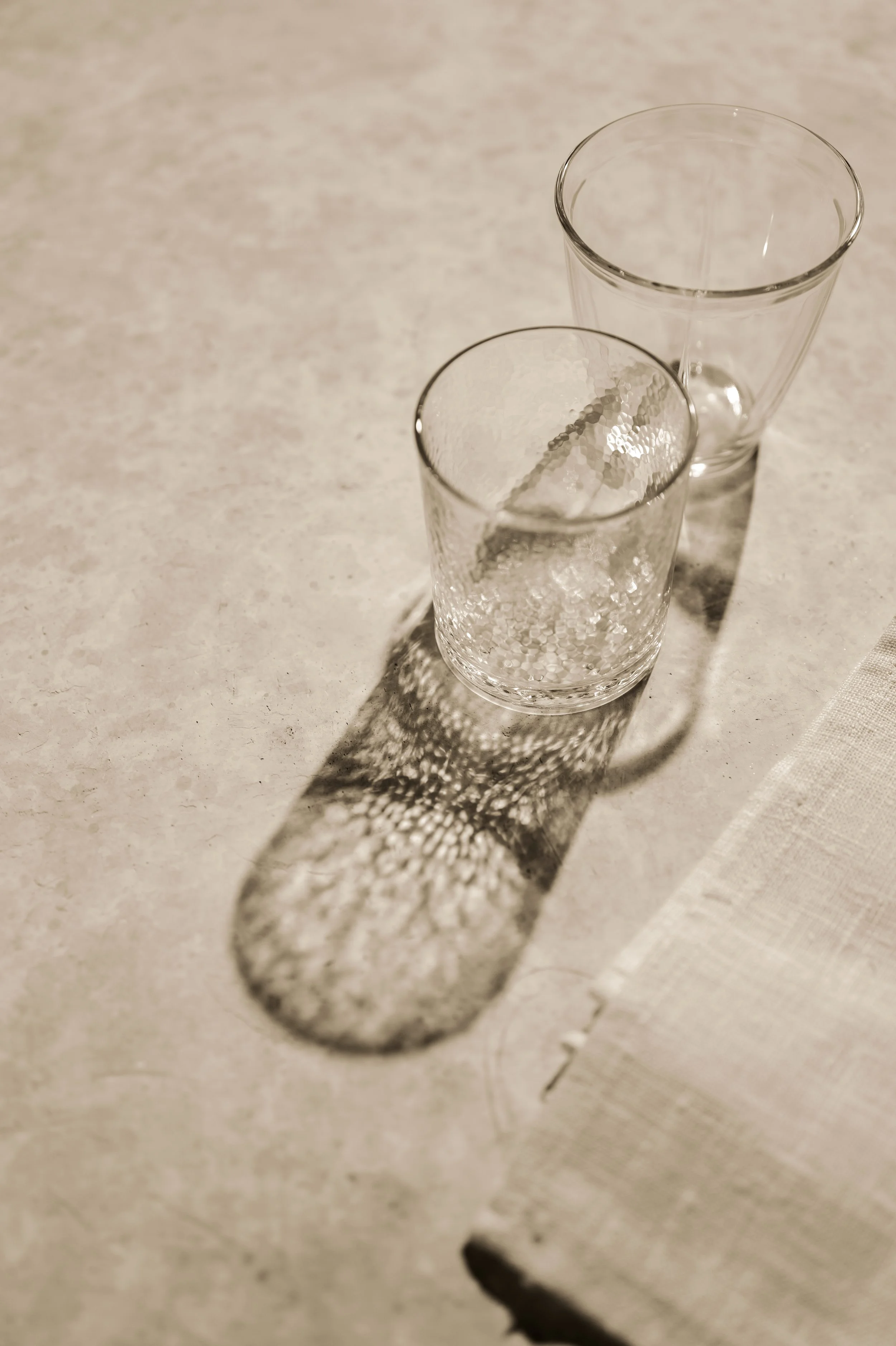
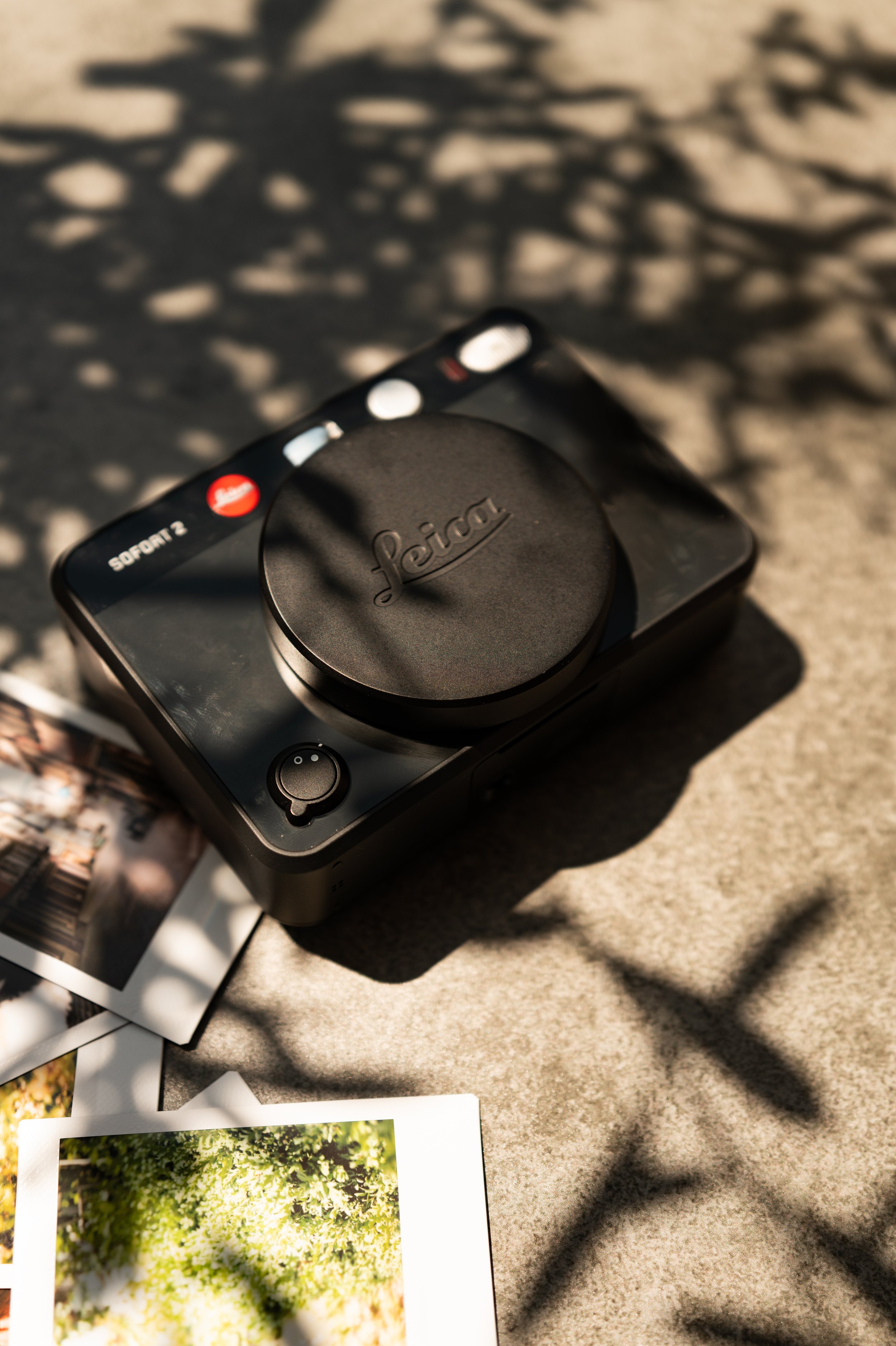
Light and shadow are not background. They are the image.
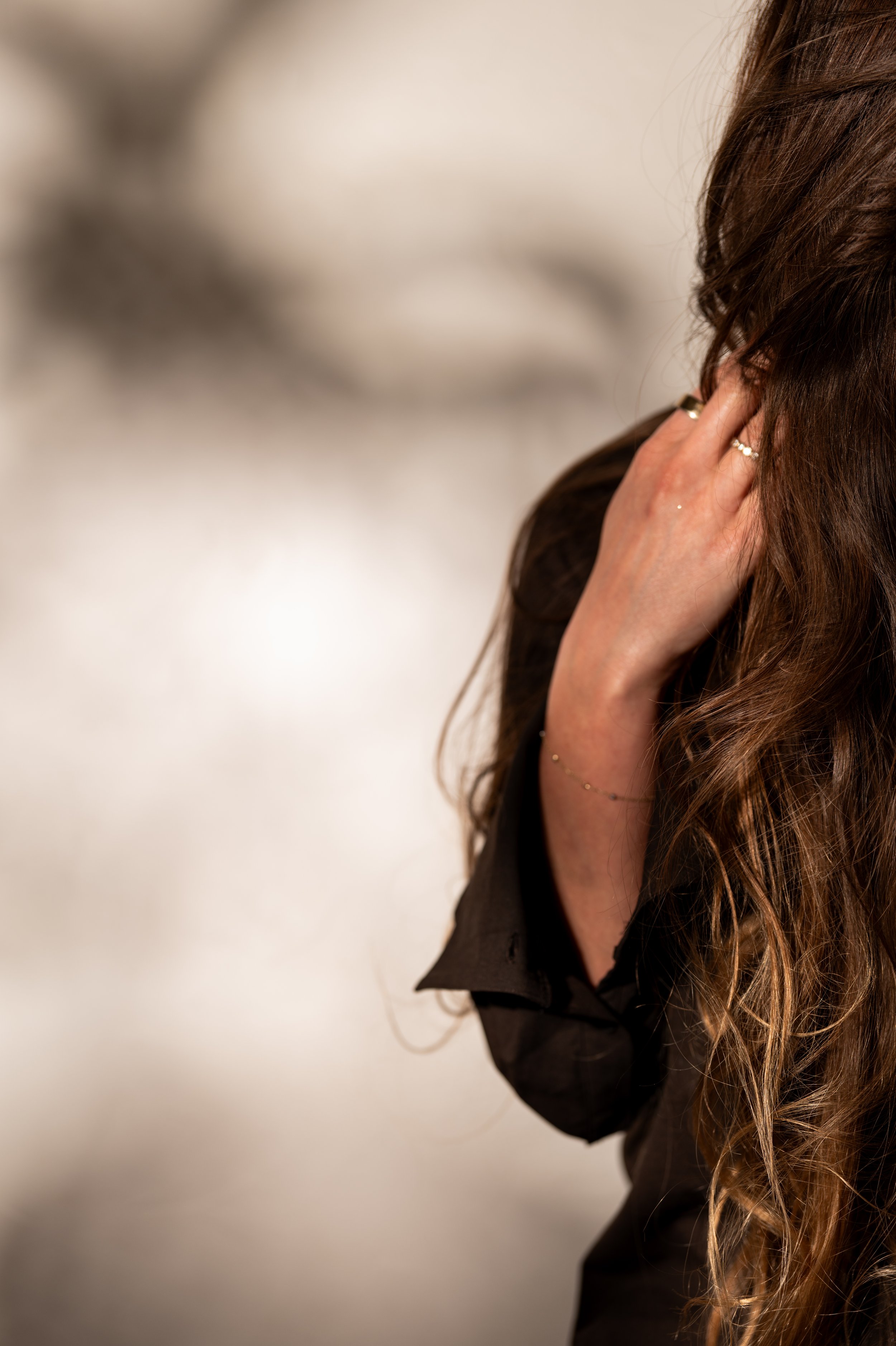
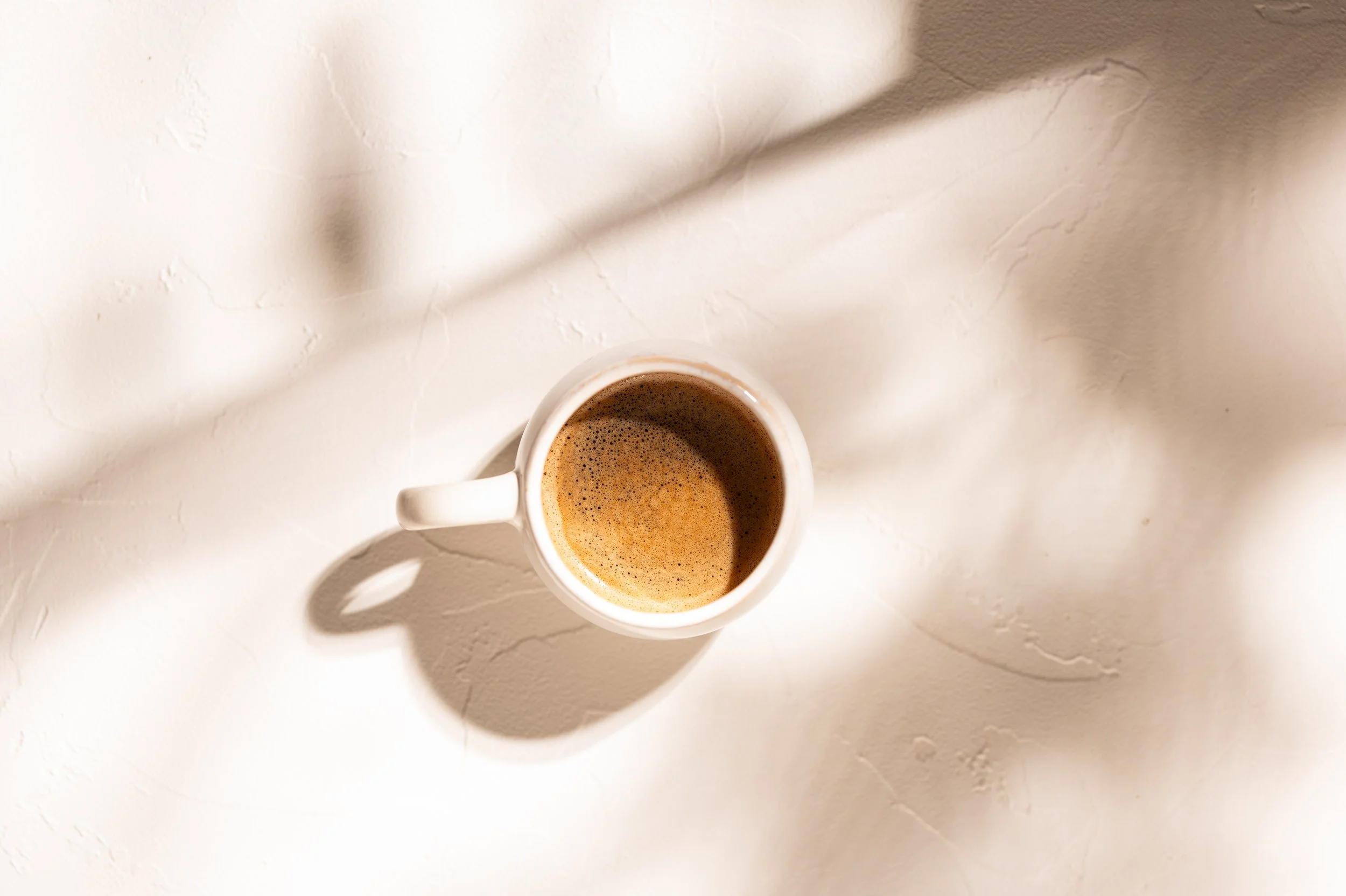
Watch how a shadow changes the shape of something familiar — how your coffee cup becomes a completely different object at 8am than it is at noon. How light flattens or deepens a surface depending on where it's coming from. How the same street looks nothing like itself in late afternoon sun.
Photos are still. They can't carry sound or smell or movement. But shadow gives them depth — a sense that something is happening just outside the frame. A well-placed shadow makes a photograph feel alive.
Next time you're outside, don't look for subjects. Follow the shadows first and see what they show you.
„Shadow is the part of the world that light is trying to tell you about.“
2. Look for one colour
We see hundreds of colours every day and register almost none of them.
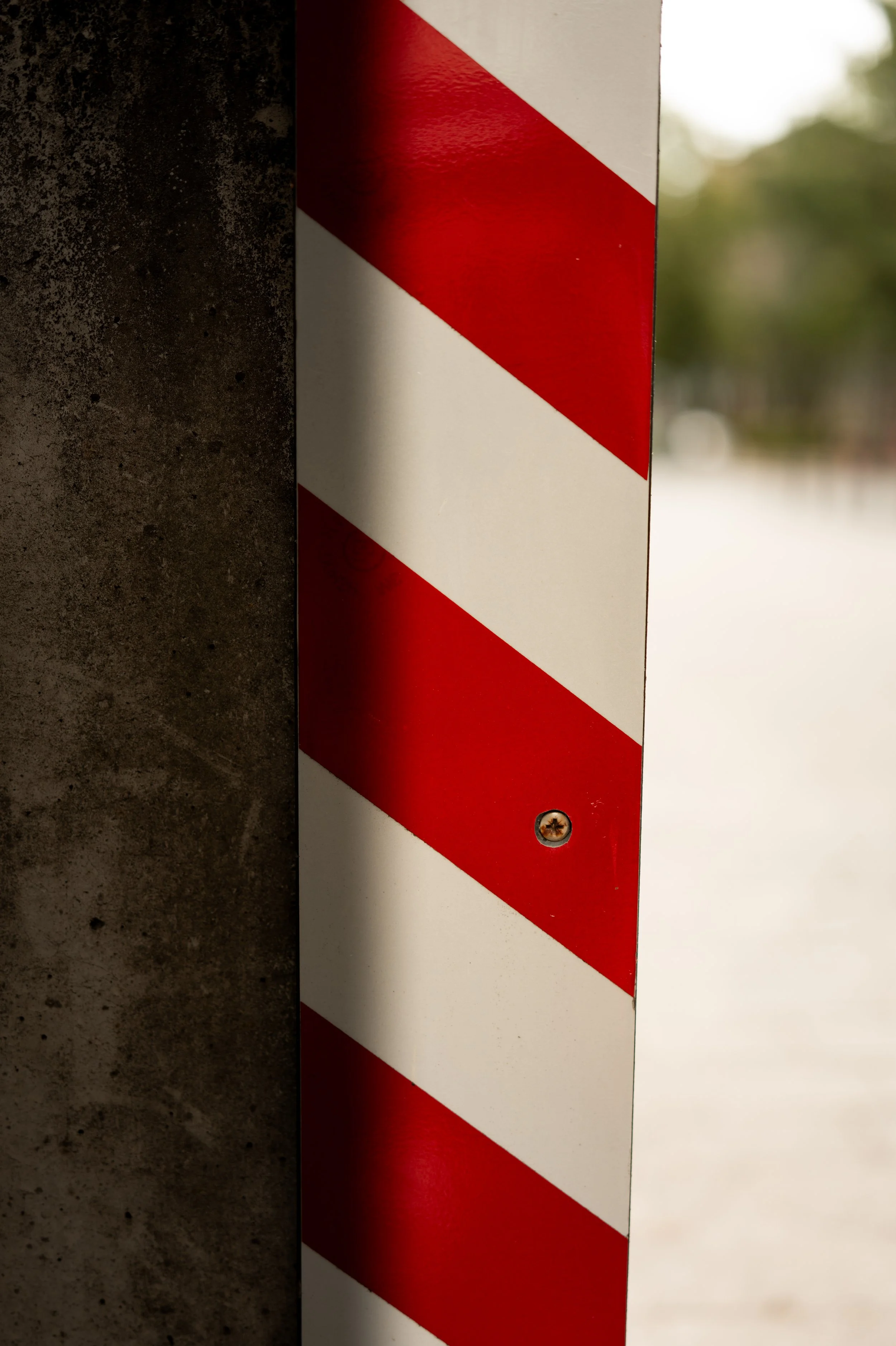
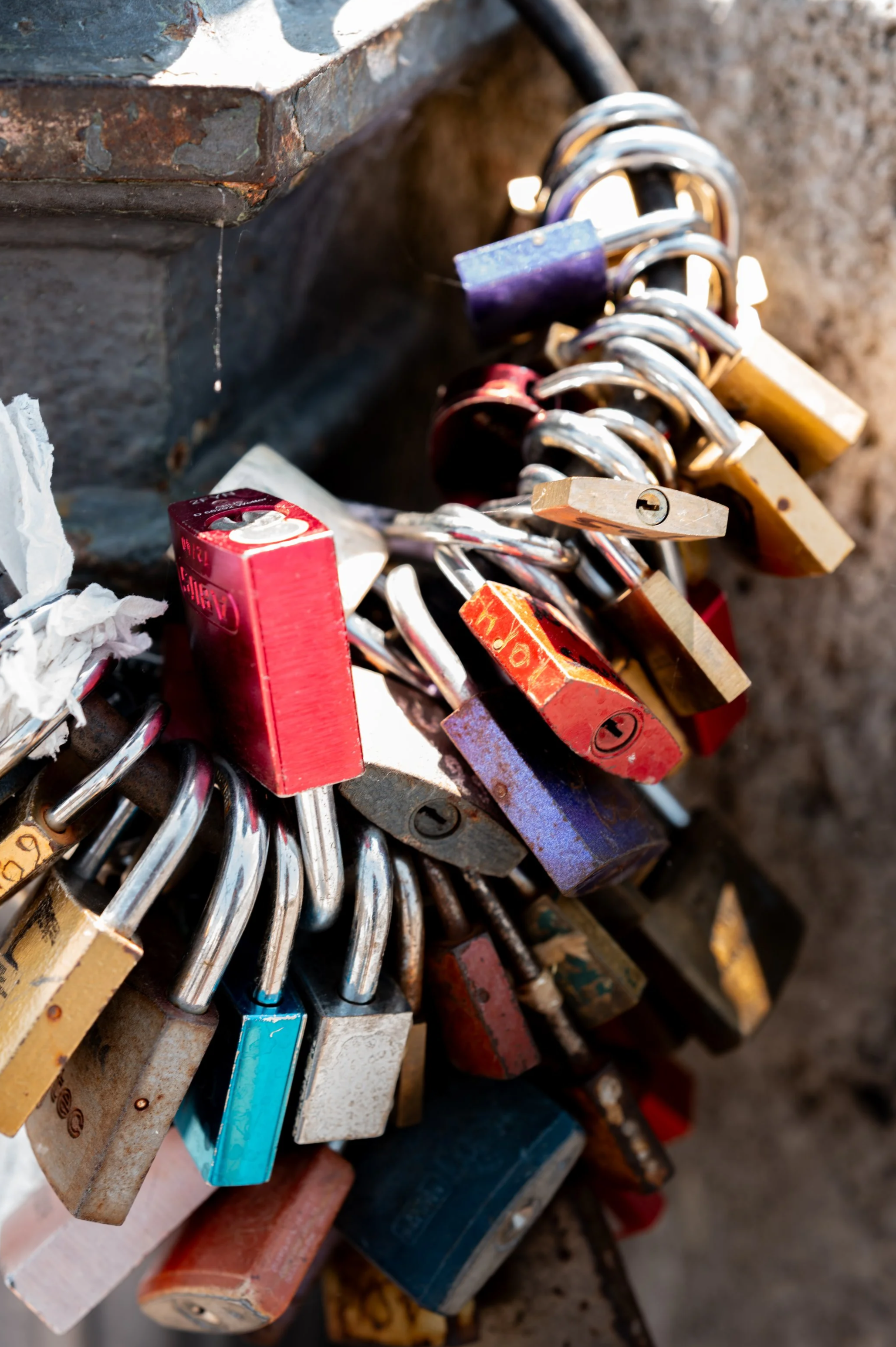
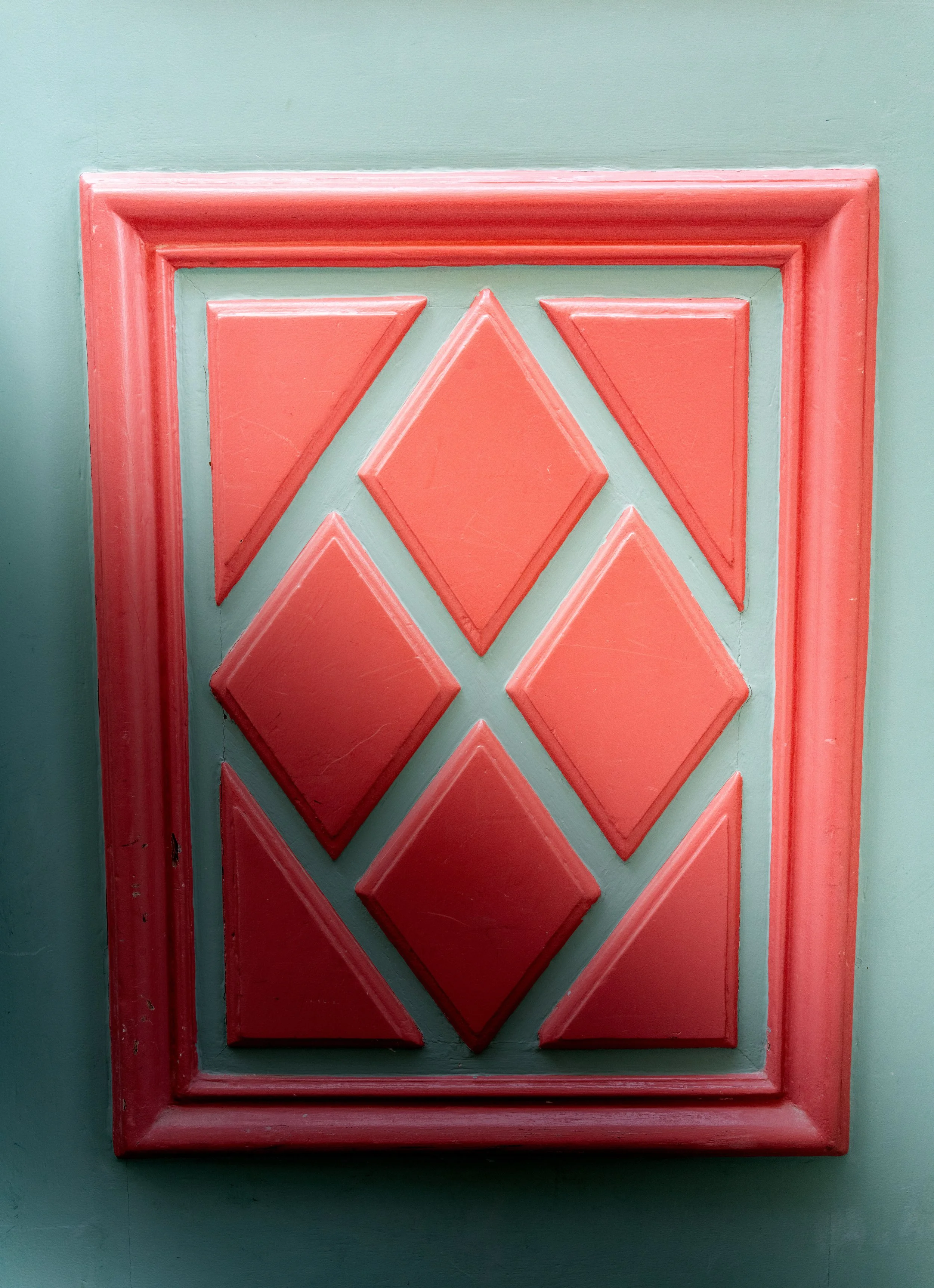
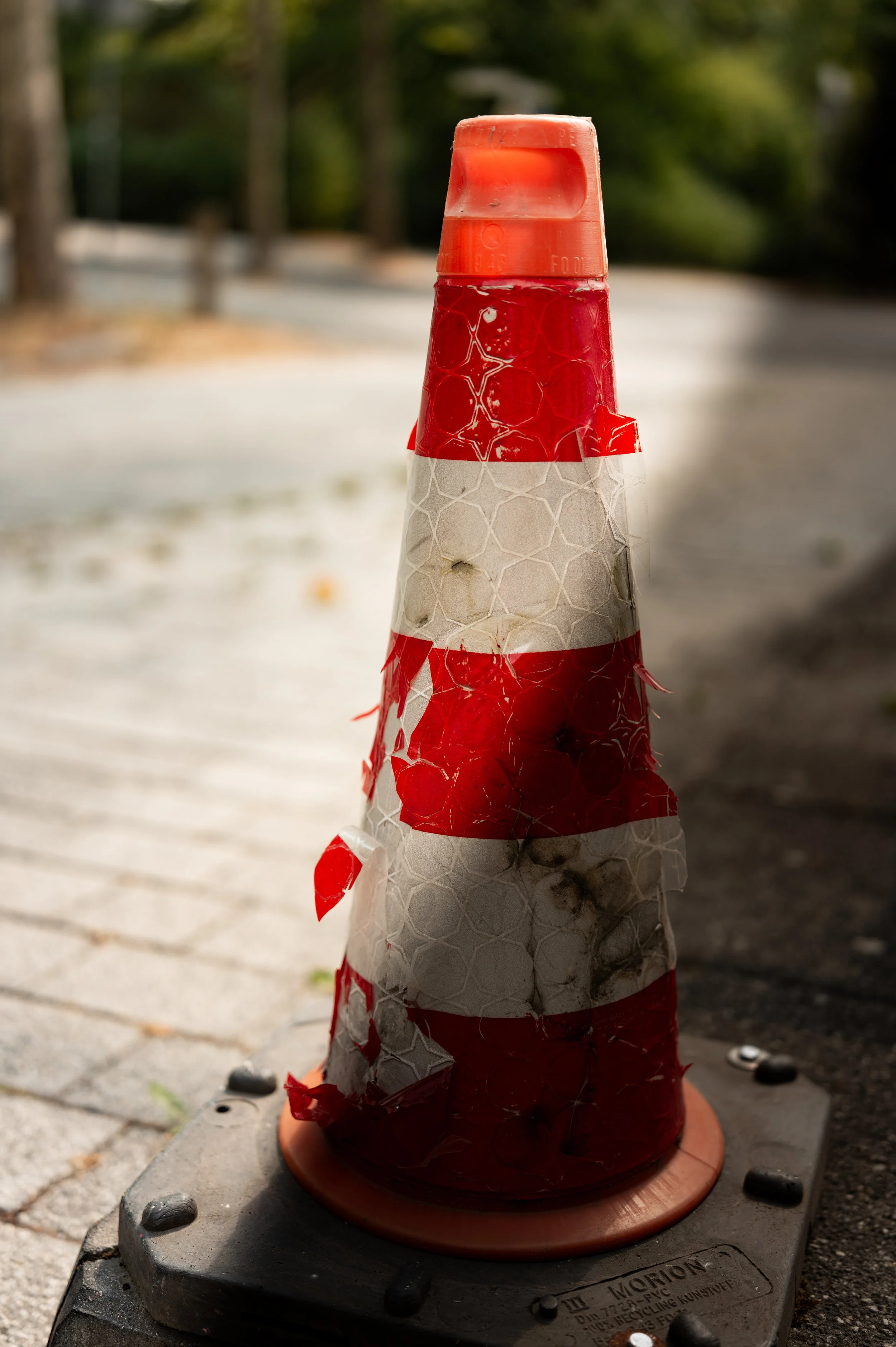
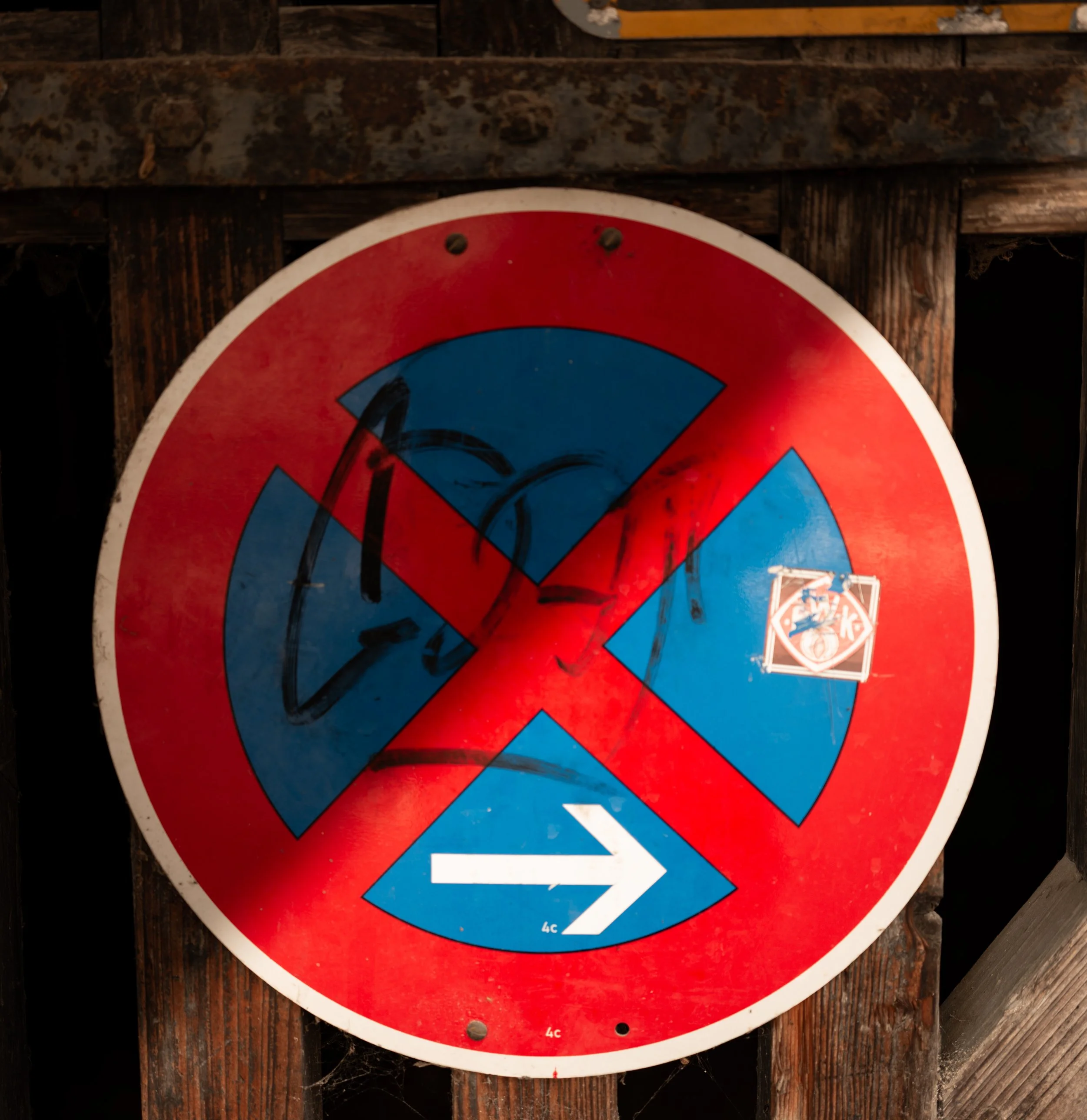
Try this: pick one colour before you leave the house. Red. Green. Dusty blue. Then go for a walk and only look for that colour. Notice every shade of it — the difference between the red of a door and the red of a fruit and the red of an old painted sign. Notice how the same colour changes in different light.
You'll be amazed how much you find. And how many different photographs exist within a single colour.
Make it a ritual. A different colour every walk. Train your eye to isolate, to compare, to see what you'd normally walk past without a second thought.
„Constraint is attention in disguise. When you limit what you’re looking for, you see more of it.“
3. Find the detail, not the building
We photograph buildings. We should be photographing what's in them.
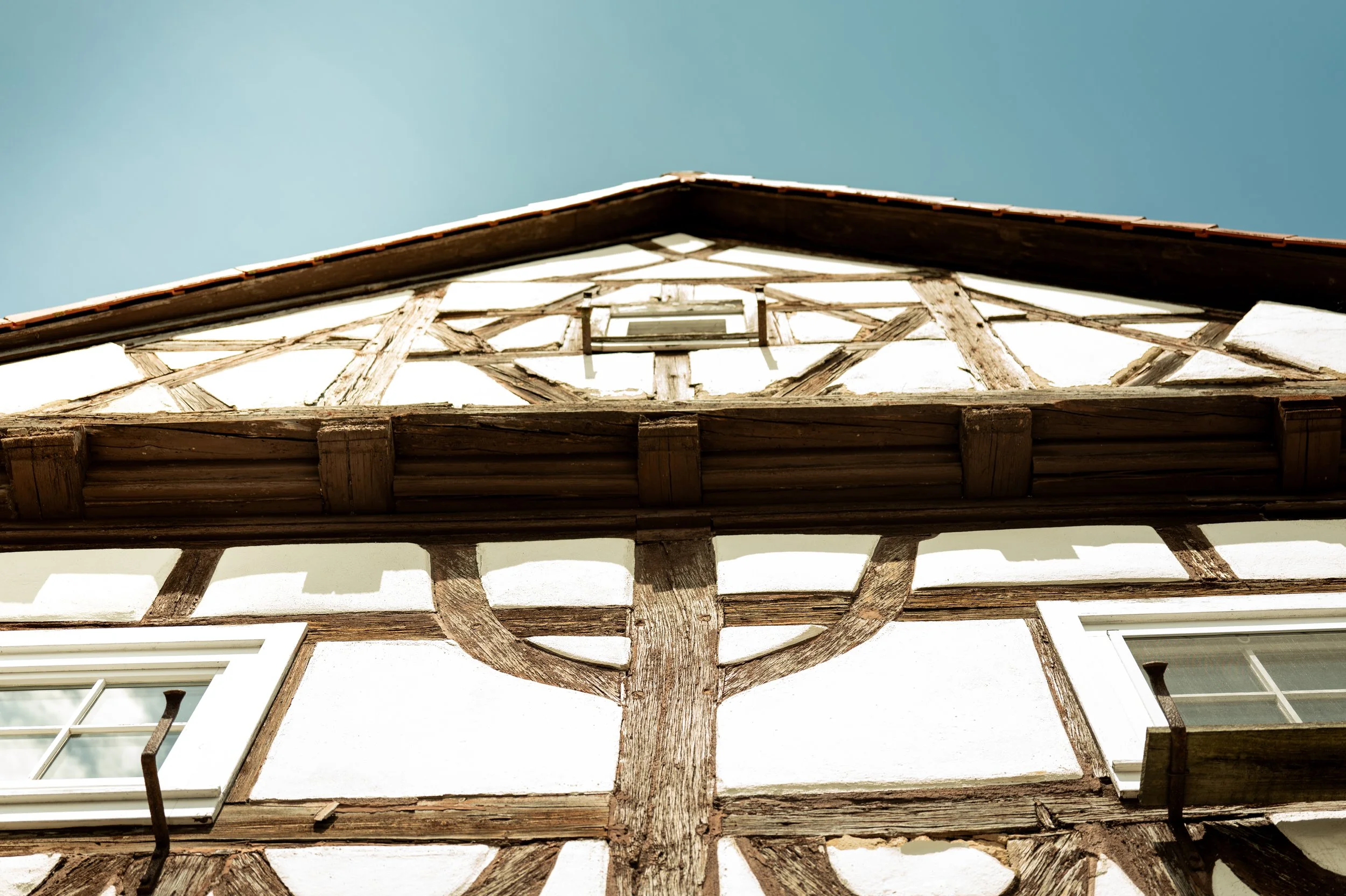
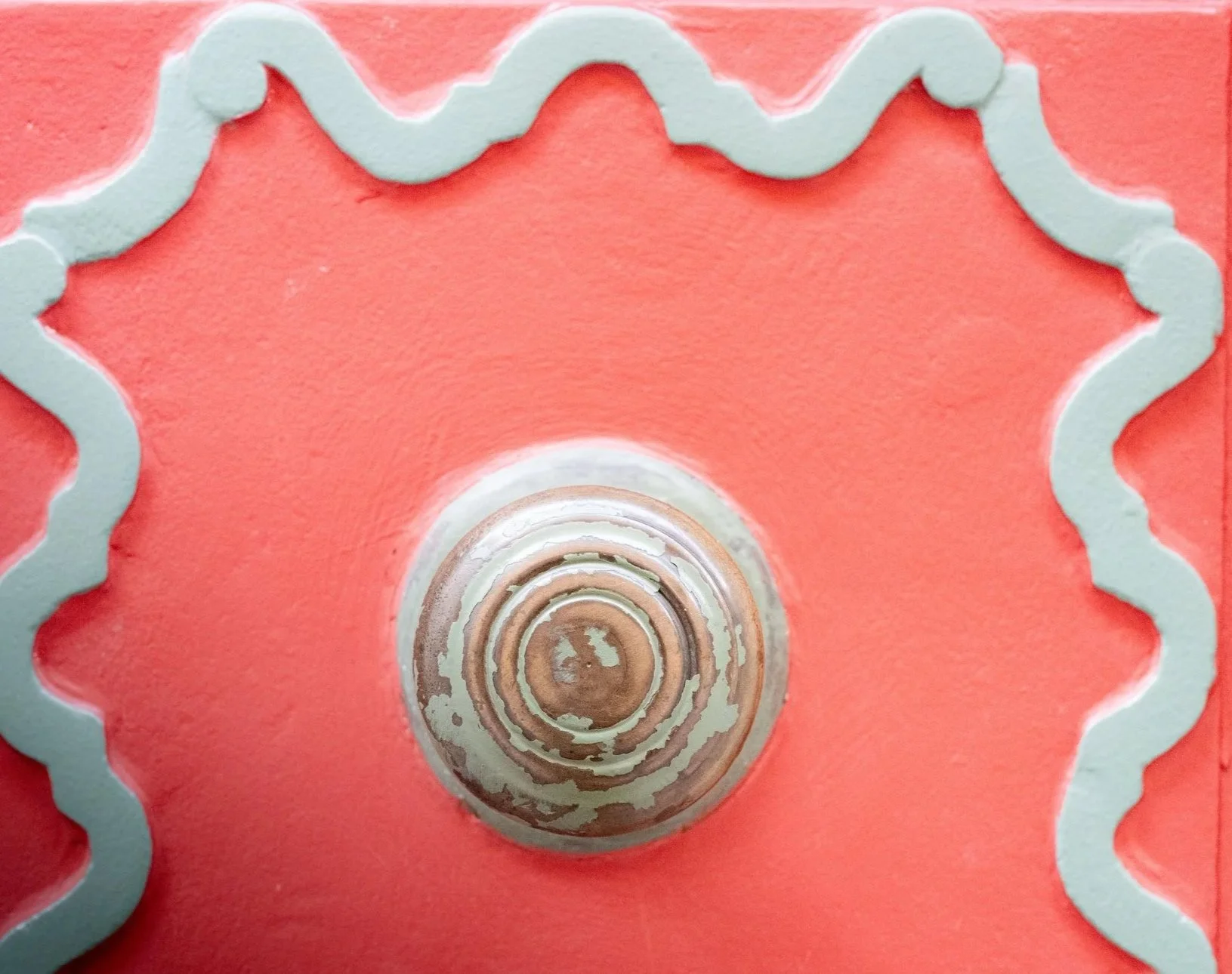
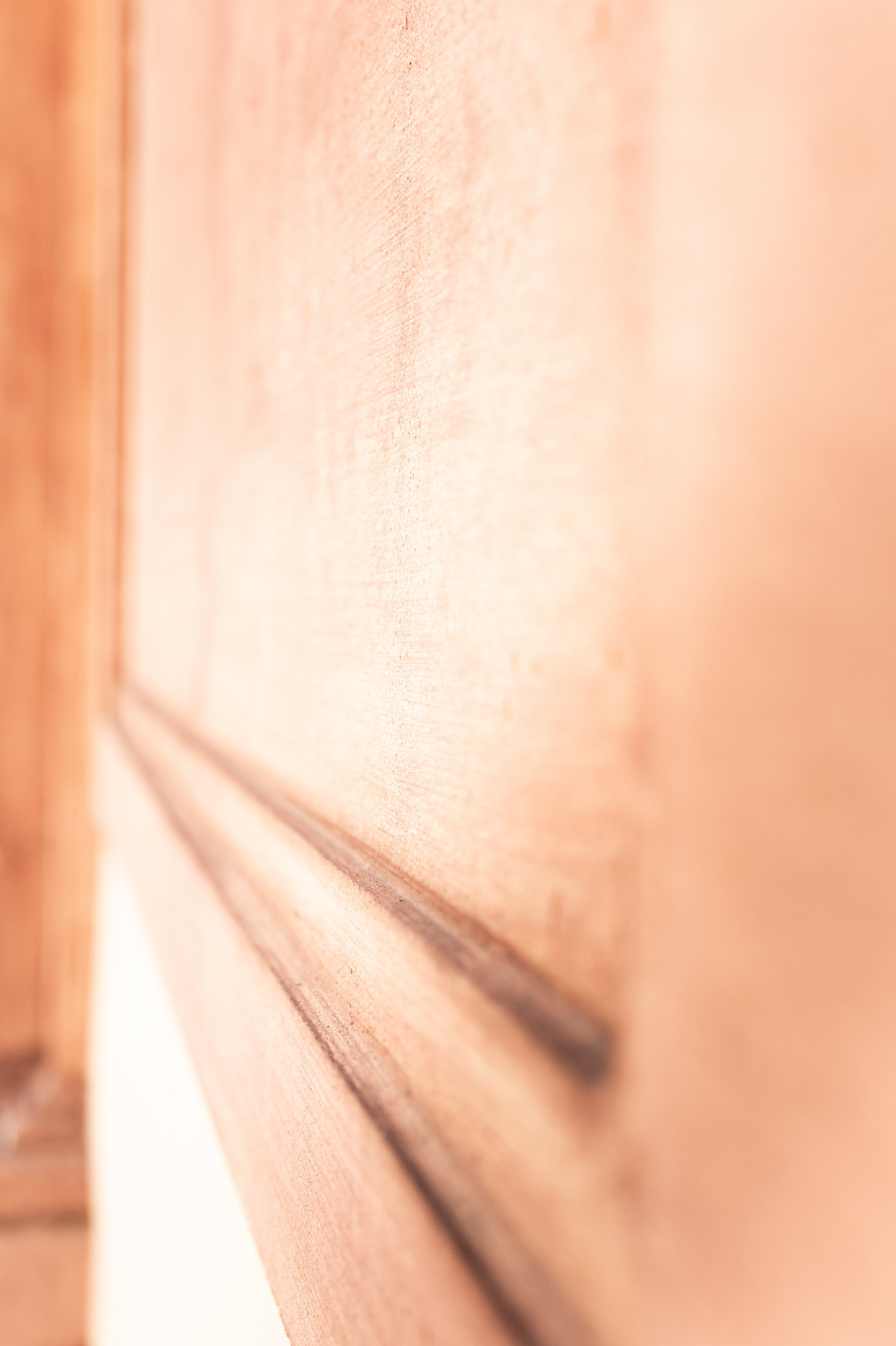
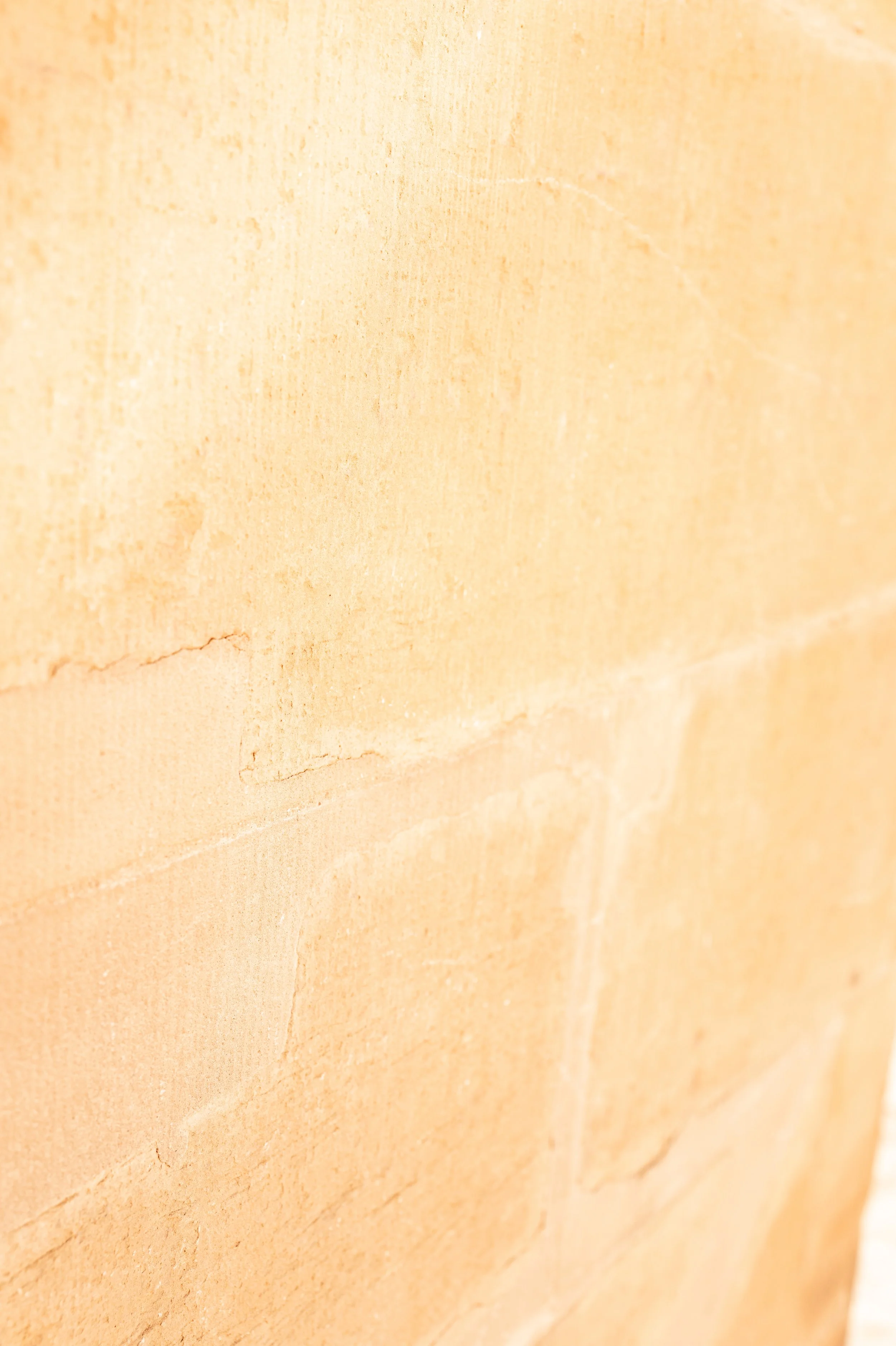
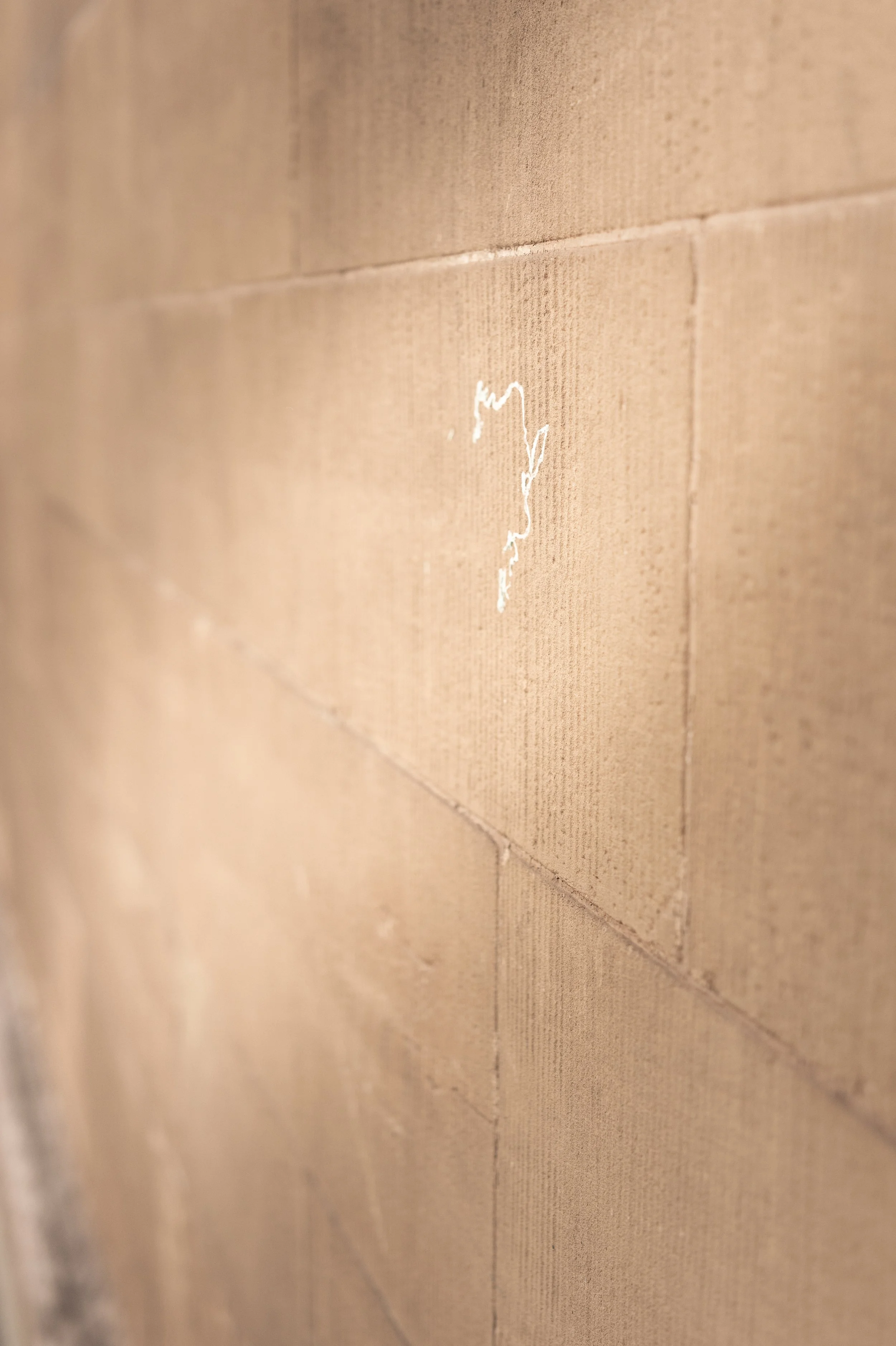
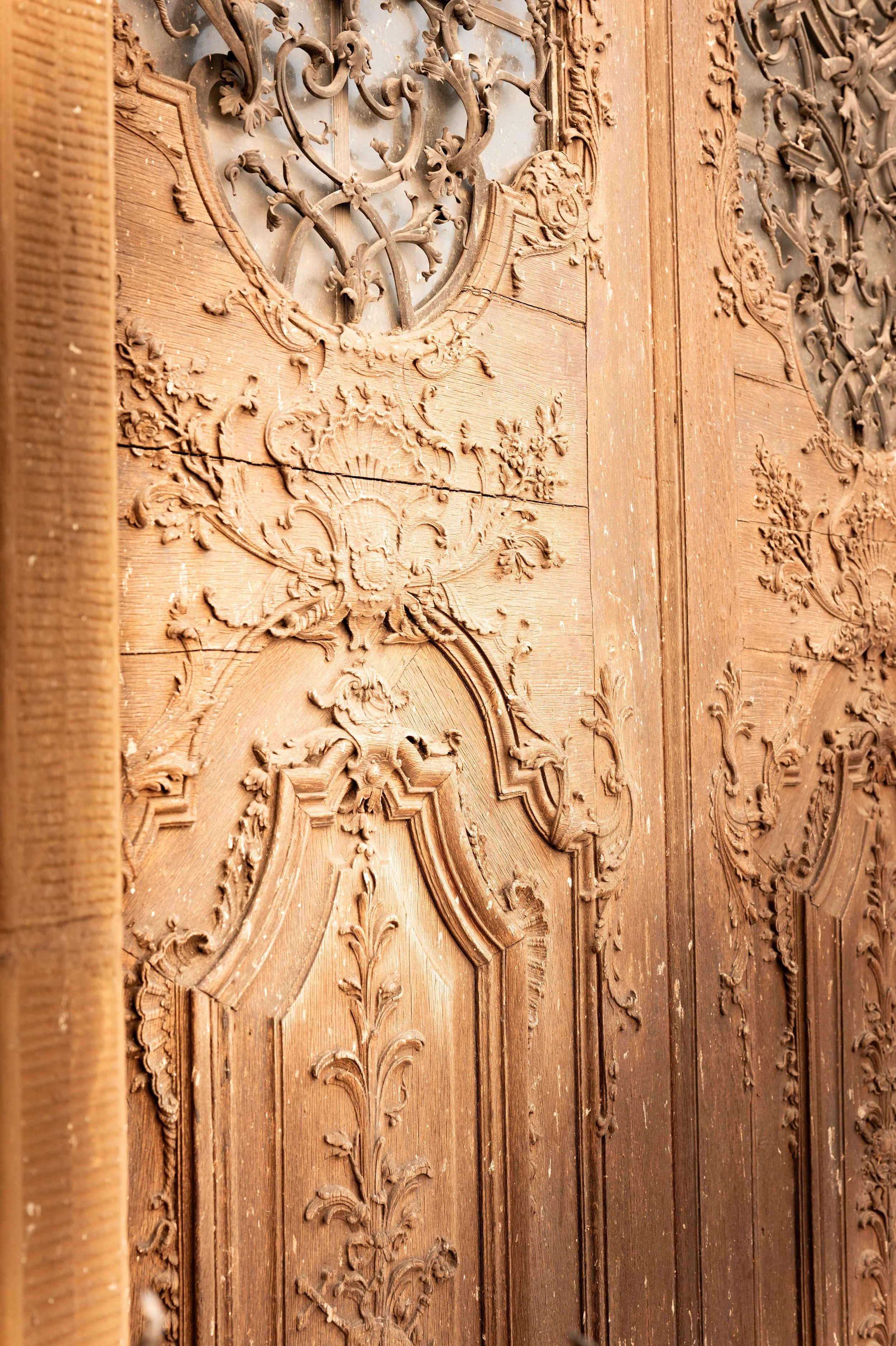
European architecture is extraordinary for this — every old church, every baroque façade, every cobbled courtyard is full of details that someone spent years making. Carved stone. Iron handles worn smooth from a century of hands. A mosaic tile in a corner no one looks at anymore.
These things were made to be noticed. They were made with love and patience, by people who believed someone would one day stop and look.
Stop. Look.
Don't take a picture of the building. Find the one detail no one else photographed — the thing that needs to be told, that would otherwise disappear unwitnessed.
„Every old building is someone’s life’s work. You just have to look for it.“
4. Read the typography
Typography surrounds us constantly and we read through it without really seeing it.
But type is design. It has personality, history, intention. The lettering above an old bakery. A faded shop sign with hand-painted letters. A tram stop name in a font nobody chose consciously but that somehow belongs exactly there.
Next time something is written in your field of view — stop for a moment before you read it. Look at it as a shape first. Ask whether it's beautiful, or clumsy, or perfectly suited to where it lives.
Typography is everywhere. Most of us have never really looked at it.
„We read everything. We see almost nothing.“
On screens and slow dopamine
I know what it's like to reach for the phone first. To scroll not out of interest but out of habit — just to fill the pause, to avoid the stillness.
Fast dopamine is easy. It's designed to be.
But I don't think it's how we grow. I don't think it's how we become more ourselves, or how we build anything that lasts. It makes the time pass without giving us anything back.
The art of noticing is the opposite of scrolling. It's slow. It asks something from you. It asks you to be here, in this moment, with these specific walls and this specific light and this cup of coffee that will never be exactly this temperature again.
There is beauty in small things. Extraordinary, quiet beauty, right where you already are.
You just have to look.